From Intent to Pipeline: Building a Lead Generation Machine
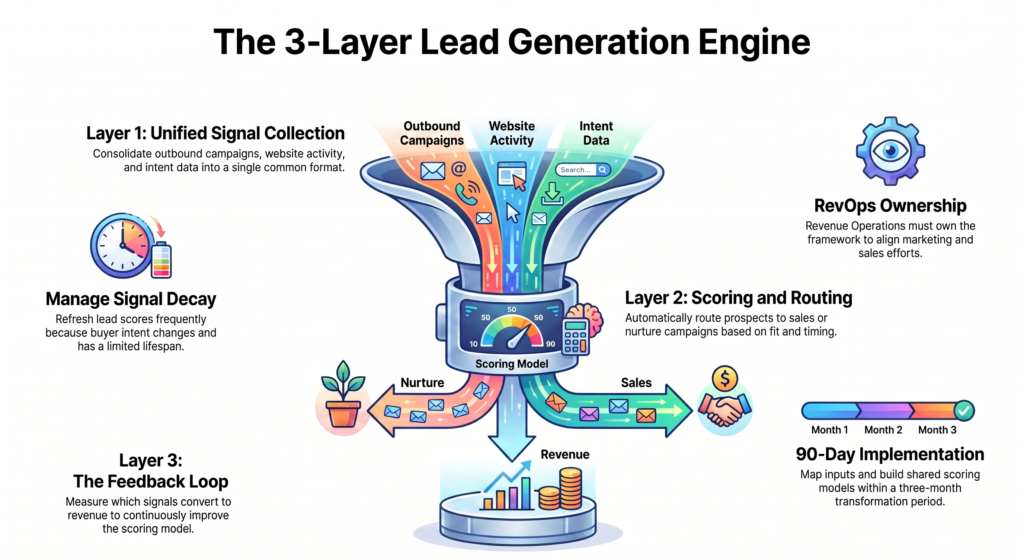
Most B2B teams don’t have a lead generation problem. They have an unassembled lead generation machine. They’ve bought the parts – a cold email tool, an intent data platform, a chatbot, an ABM suite – and never wired them into one system that scores signals the same way and routes them to the same decision. […]
Distribution vs Promotion: Why Confusing Them Is Costing You Reach
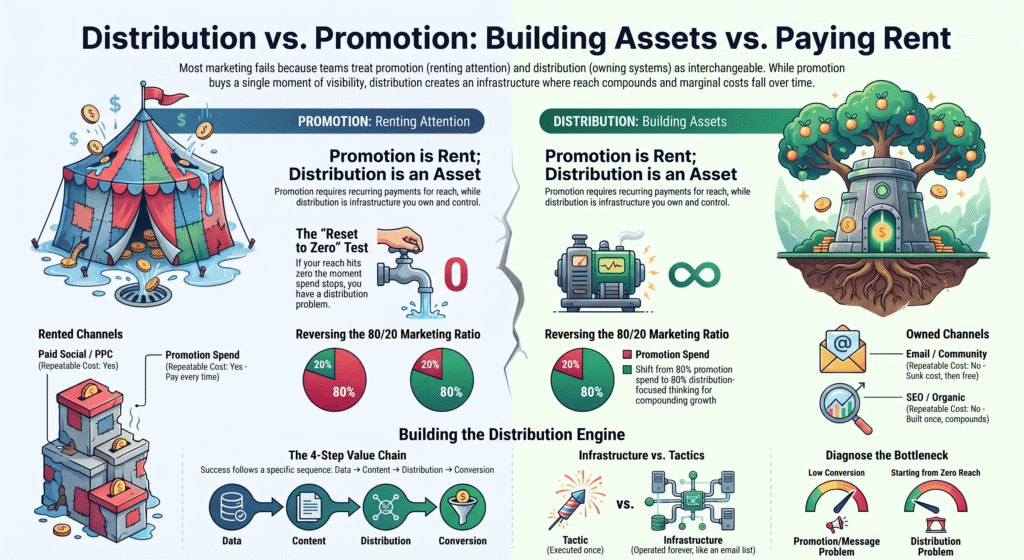
You ran the campaign. You paid for the ads, scheduled the posts, sent the emails. Reach spiked, then flattened back to zero the moment spend stopped. That’s not a promotion failure – it’s proof you never built a distribution system in the first place. Promotion buys attention once. Distribution is the system that keeps reaching […]
Building a Distribution Stack in 2026
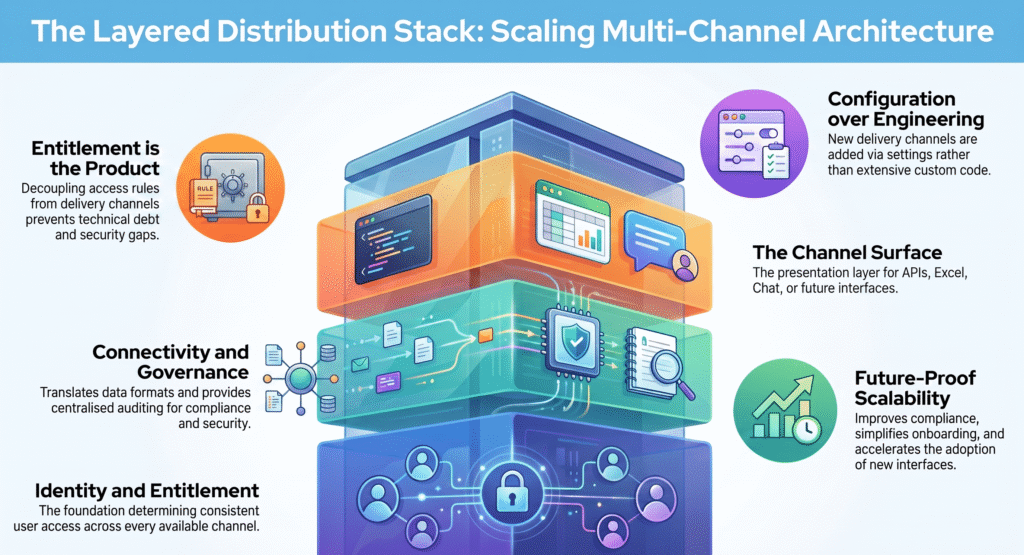
Most distribution failures aren’t channel failures – they’re entitlement failures wearing a channel costume. Fix entitlement once, and every new channel becomes a config change instead of a project. That’s the difference between a distribution stack and a pile of integrations with a shared label slapped on top. If your team has shipped an API, […]
Repurposing Content for Reach: A System for Deciding What to Reuse and Where
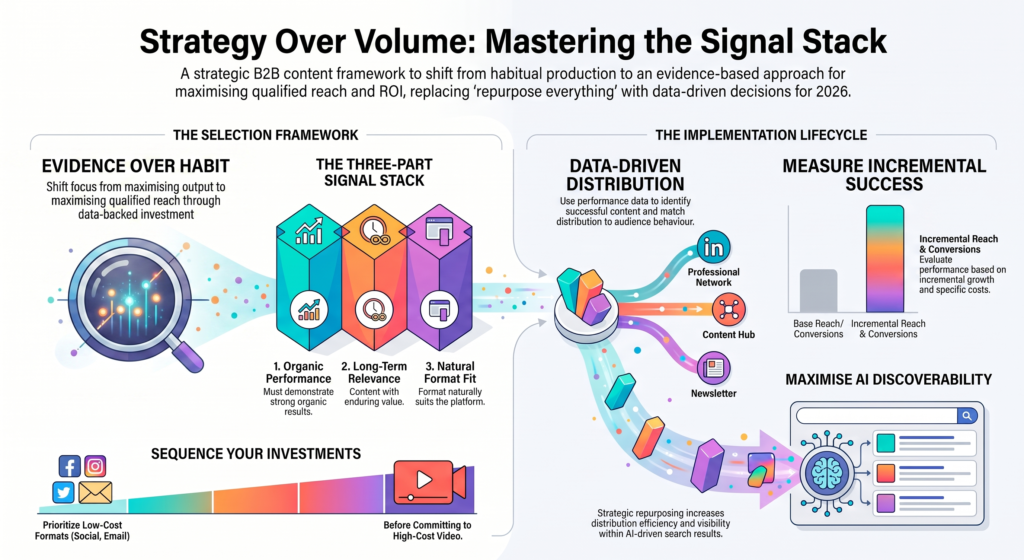
Most content teams repurpose everything they publish, and most of that repurposing produces nothing. The problem isn’t a lack of formats -it’s that repurposing gets triggered by habit instead of evidence. A blog post goes live, someone on the team turns it into a LinkedIn carousel and an email blurb because that’s the checklist, and […]
Channel Validation Before Scaling: A Decision Framework for 2026
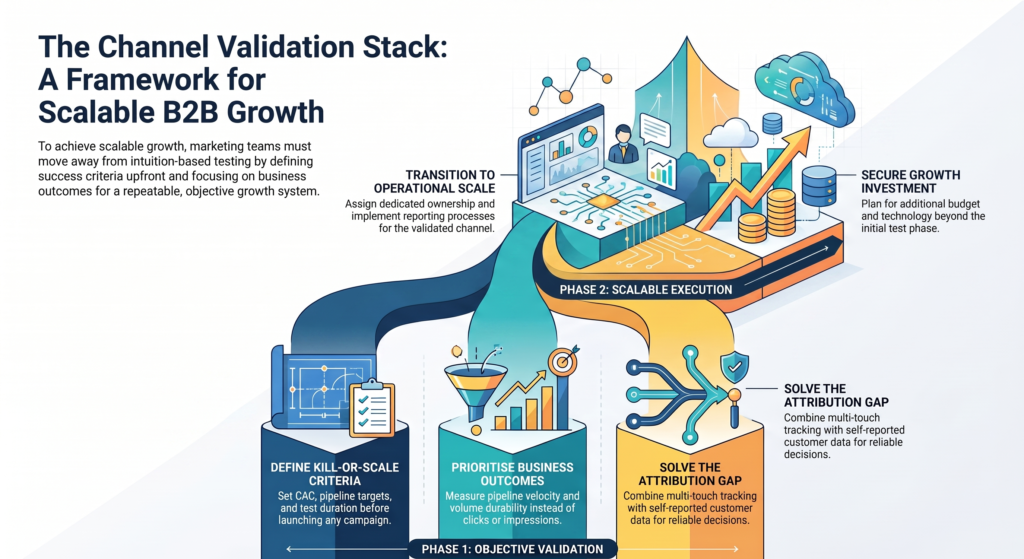
Most channel validation fails before a single test runs -not because the channel doesn’t work, but because nobody defined what “working” would look like in advance. Teams launch a referral program or a paid test, watch the early numbers, and decide afterward, in hindsight, whether the result counts as proof. That’s not validation. That’s storytelling […]
The Content Distribution Flywheel: Why Most Teams Build It Backwards
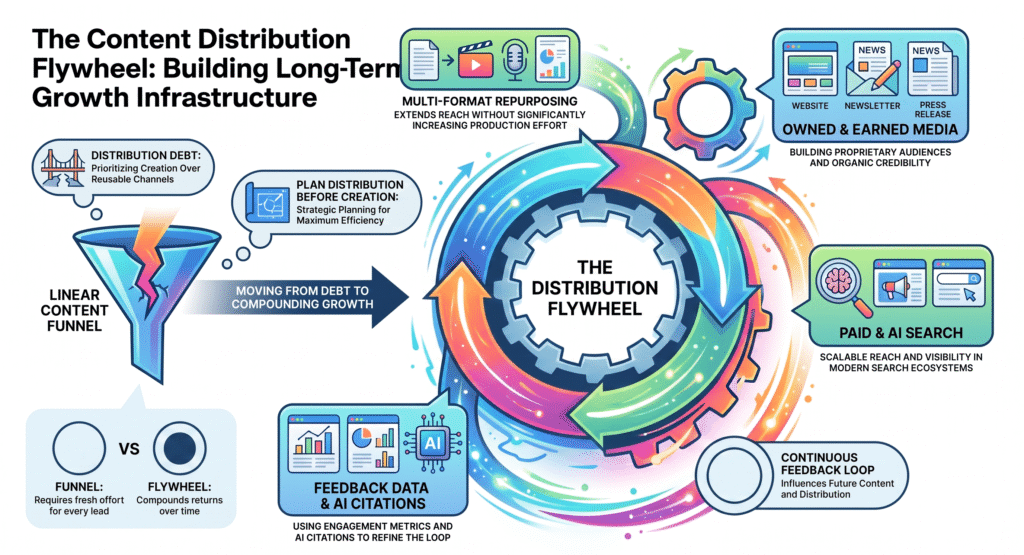
Most content flywheels stall not from a content problem but from a distribution debt problem – teams keep creating new content to compensate for channels they never built out, which is the opposite of what a flywheel is supposed to do. The content distribution flywheel only works when distribution is treated as infrastructure, built once […]
LinkedIn as a Demand Channel (B2B) in 2026
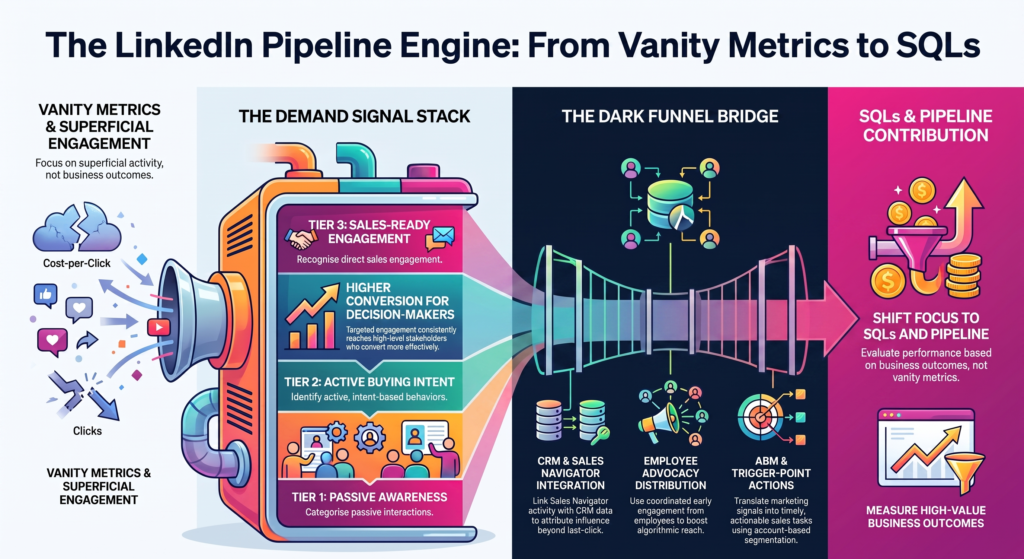
LinkedIn isn’t underperforming because it’s expensive. It’s underperforming because most B2B teams run it like a content channel instead of a demand engine. They post, they boost, they watch impressions climb, and then they struggle to explain to finance why a platform with a higher CPL than Meta or Google deserves more budget. The problem […]
Multi-Channel Distribution Strategy in 2026: Build the Architecture Before You Build the Channel Mix
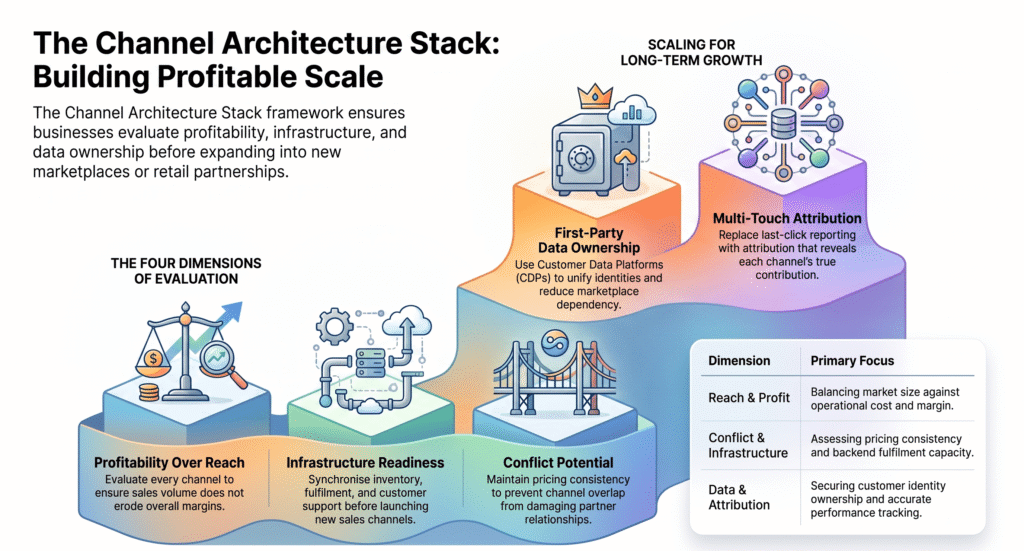
Most brands approach multi-channel distribution strategy as a channel selection problem. It is not. It is a sequencing problem, a profitability problem, and a data ownership problem – and brands that solve only the selection question while ignoring the other three end up spending more money to reach more customers at lower margins with worse […]
Organic + Paid: How to Build a Compounding Distribution System in 2026
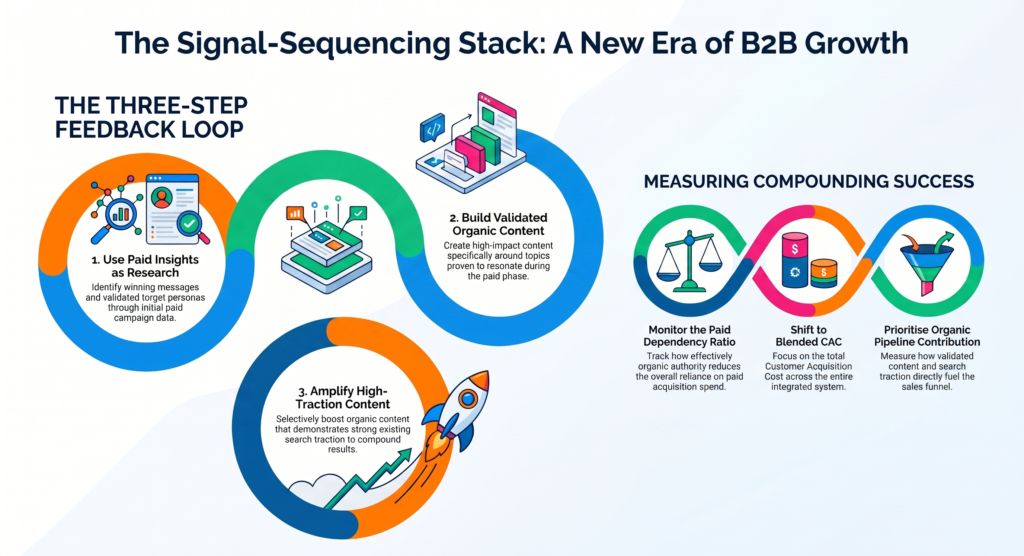
Most B2B marketers run paid and organic in parallel and mistake co-existence for integration. The Signal-Sequencing Stack is the operational model that turns two disconnected budgets into a single compounding system -where paid funds organic R&D and organic authority drives paid CAC down over time. This is not a synergy story. It is an architecture […]
Why Distribution Is a System (Not a Team) in 2026
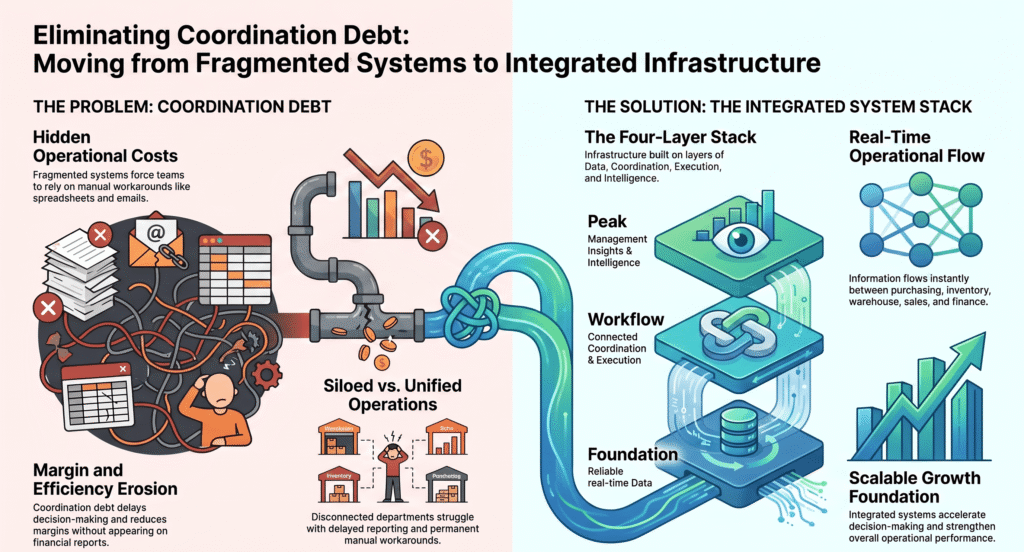
Distribution businesses are not losing control because their teams are underperforming. They are losing control because the business was designed around teams rather than around the system those teams are supposed to serve. Every extra check, every cross-department conversation, every spreadsheet built to fill a gap -these are not signs of a communication problem. They […]